

By Kapil Sibal
(Based on a media interaction; published with permission)
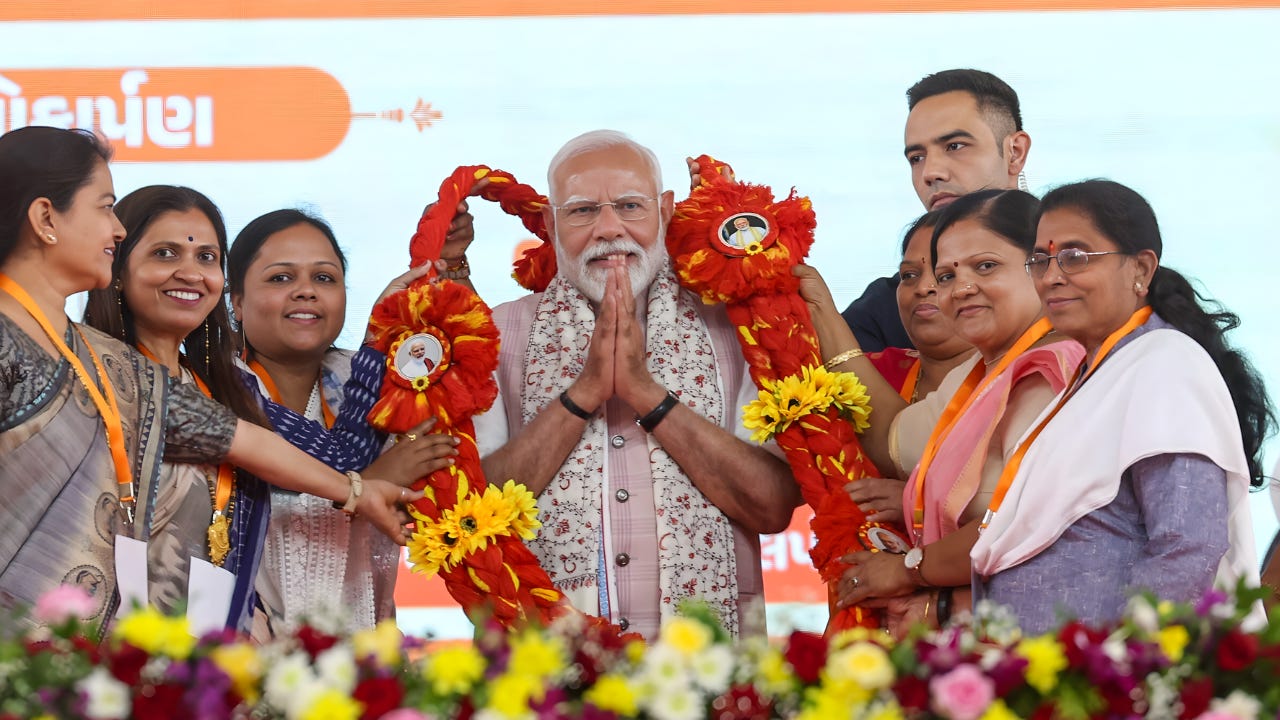
The Modi government has convened a special three-day session of Parliament from April 16–18, 2026. The stated objective is to amend the Nari Shakti Vandan Adhiniyam (The 106th Constitutional Amendment Act) to fast-track the 33% reservation for women in the Lok Sabha by 2029.
However, a closer look at the timing and the legal fine print suggests that this move has less to do with gender justice and more to do with a strategic “delimitation” designed to secure a lopsided political advantage for the BJP.
The first red flag is the schedule. The session is being held while West Bengal is in the middle of crucial assembly elections, with polling phases on April 23 and 29. By calling this session now, the government is forcing opposition MPs—particularly from the TMC—to choose between representing their constituents in Parliament or campaigning in their home state.
This isn’t just a logistical hurdle; it is a calculated attempt to disrupt the opposition’s momentum. If the government truly cared about the sanctity of the process, this exercise could easily have waited until after April 29.