

By Sanjay Dubey
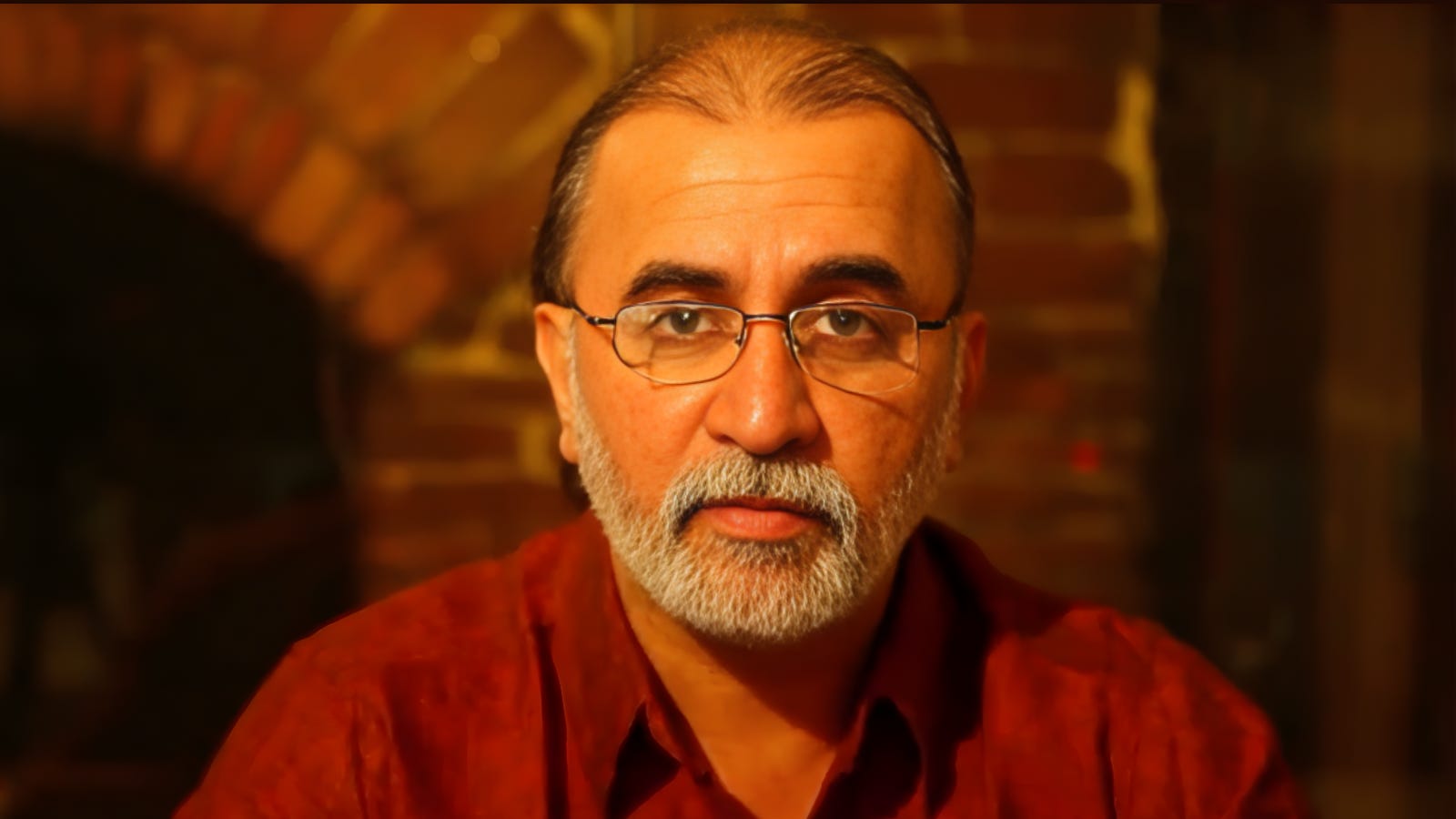
In 2013, Tehelka magazine’s founder and then editor, Tarun Tejpal, was accused of sexual assault by a colleague. A trial court in Goa acquitted him of all charges in 2021. The Goa government appealed the verdict in the High Court, where the matter is currently being heard. India’s Solicitor General, Tushar Mehta, is representing the state in these hearings. Satyagrah originally published this detailed analysis of the trial court’s judgment in 2021. For readers looking to understand the verdict, the debates surrounding it, and the case in its entirety, this analysis remains just as relevant today.
On page 509 of its judgment, the Goa district court, while acquitting Tehelka founder Tarun Tejpal, noted:
“The IO didn’t supply a copy of unedited CCTV footage of Block 7 to the accused (Tarun Tejpal) due to which the accused had to move to the honourable Supreme Court. The honourable court had directed the prosecution to provide clone copies of the unedited CCTV footage to the accused, which was not done for two years and a clone copy of the CCTV footage was finally handed over to the accused in 2016.”
Two important points emerge from this observation of the court. First, it would not have been easy for Tarun Tejpal to defend himself in court. Second, what actually was in the CCTV footage that required the accused to go all the way to the Supreme Court just to get a copy? Add to this the fact that despite the Supreme Court’s directive, the accused didn’t receive a clone copy of the footage for two full years, and the matter becomes even more intriguing.
It is no secret that in our country, the victim of a sexual assault case often undergoes extreme hardships. This has less to do with the laws themselves and more to do with the attitude of law enforcement agencies and the overall response of society in such cases. The Tejpal case, however, was different in this regard: the establishment stood firmly with the complainant. The fact that the Goa police acted on its own and registered a suo motu FIR against Tejpal gives an indication of that backing.