

By Sanjay Dubey
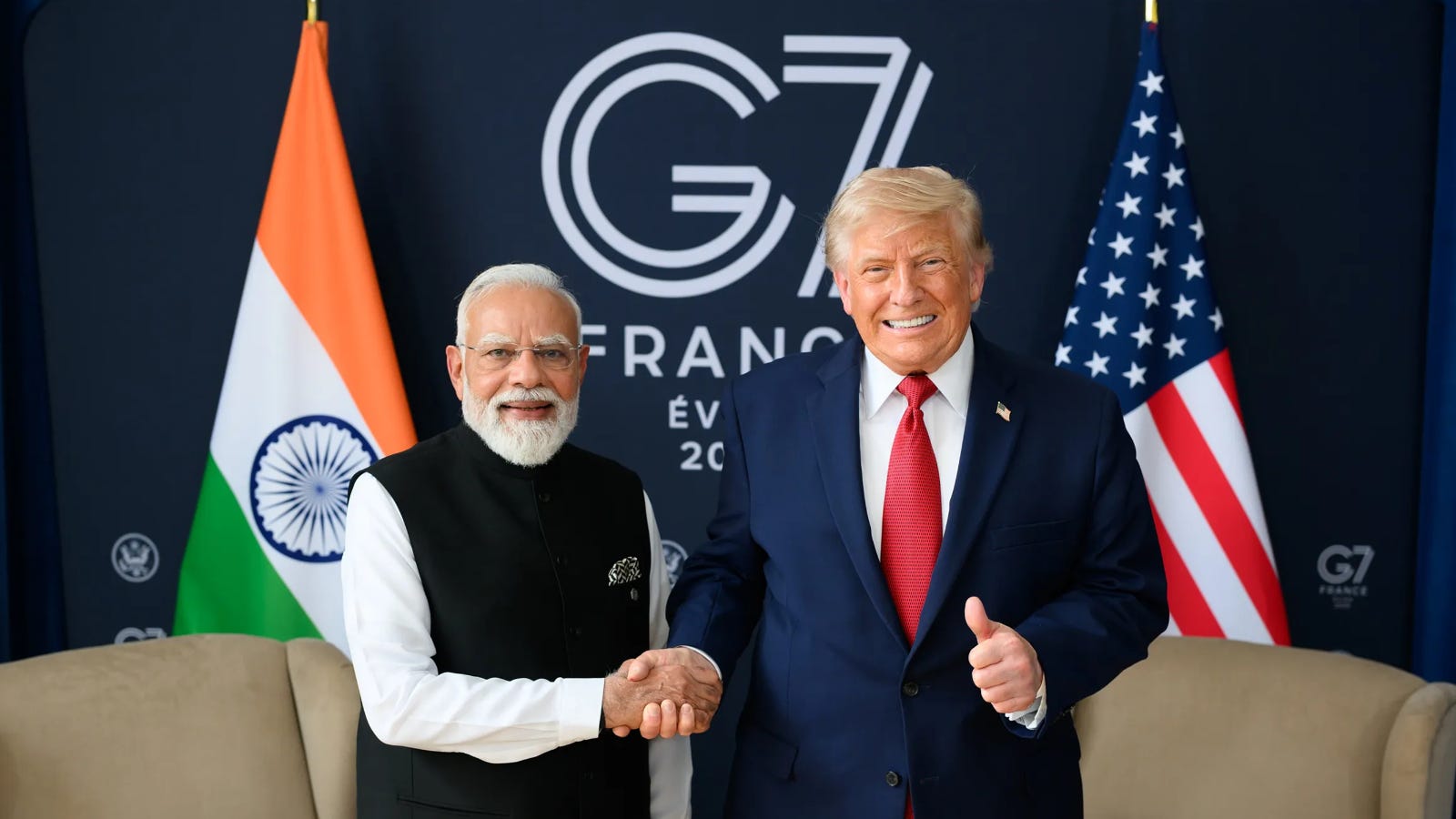
Take a look around global politics today and an obvious disconnect jumps out: the median age of world leaders is 63, while that of the global population is around 30. There are exceptions, of course — like Nepal’s 36-year-old Prime Minister Balen Shah, the 38-year-old leaders of Iceland, Burkina Faso and Ecuador, and Volodymyr Zelenskyy, who became Ukraine’s president at the age of 41. But the broader trend is clear: political power remains heavily concentrated among older people.
At the extreme end sit rulers governing populations a fraction of their age, like Cameroon’s Paul Biya at 93 or Saudi Arabia’s King Salman at 90. Yet this isn’t just an authoritarian habit. Major democracies show the exact same pattern. Donald Trump governs in his 80s, and India’s Prime Minister Narendra Modi serves in his late 70s.
In most fields, people in their 80s and 90s are rare exceptions at the top. Politics is different. National leadership has no mandatory retirement age, and some of the world’s most powerful political offices are still occupied by people well into their 80s and 90s.
It isn’t because voters dislike young candidates. As Aksel Sundström, political scientist at the University of Gothenburg and co-author of Youth Without Representation, pointed out in a recent TV discussion: “It’s very expensive to run as a candidate for politics. So it’s not really that voters do not want young leaders, but it is something in the systems that makes it inherently difficult to become elected.”