

By Sanjay Dubey
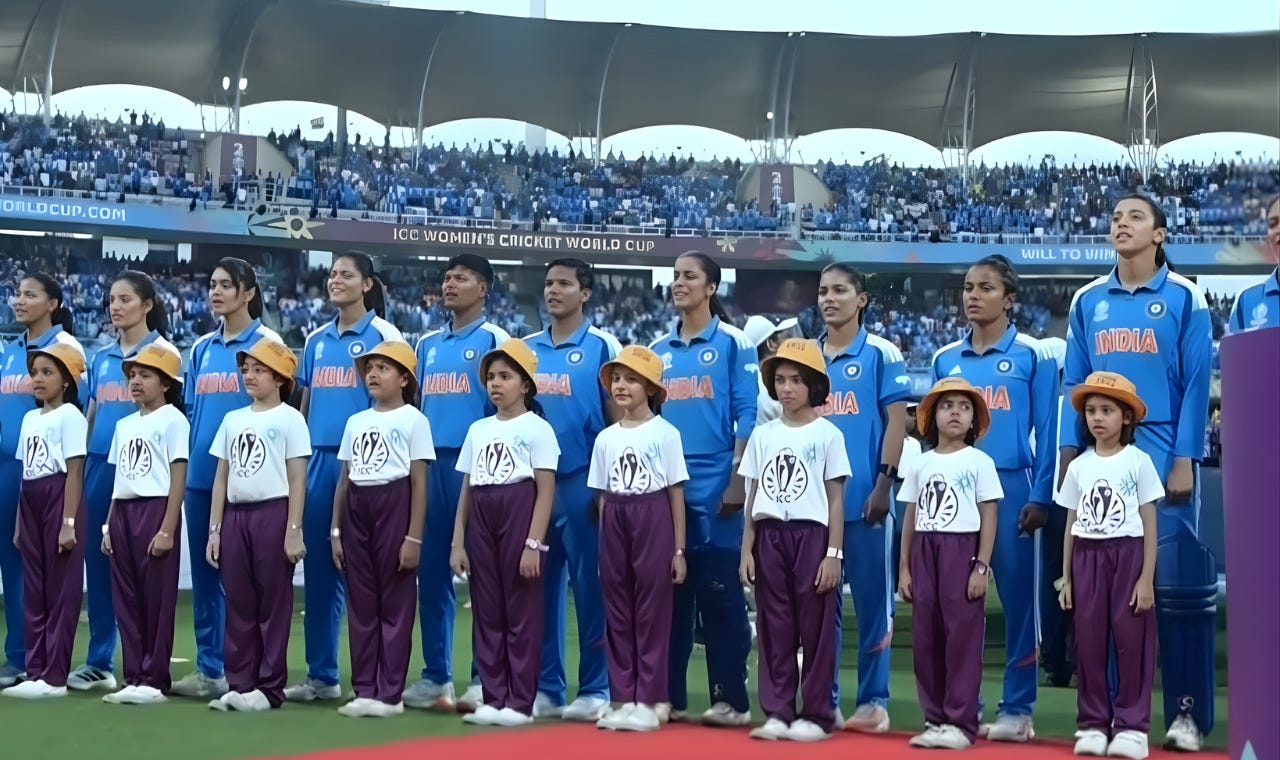
Bankim Chandra Chattopadhyay’s Vande Mataram was the emotional soul of India’s independence movement. It served as a powerful rallying cry against colonial rule and remains deeply etched in national memory. Yet, in January 1950, when the Constituent Assembly formally adopted the national anthem, it chose Rabindranath Tagore’s Jana Gana Mana, while granting Vande Mataram equal status as the national song.
But a national anthem has a different job from a song of resistance. It must turn emotion into a common voice of a nation, one that can be sung by crowds, played at ceremonies, and carried beyond the country’s borders.
1. Built for everybody
Many national anthems are notoriously difficult for ordinary crowds to sing. The US anthem, The Star-Spangled Banner, demands a wide vocal range, with sudden leaps between high and low notes. As a result, it is often performed by solo singers or played from a recording rather than sung by the crowd. France’s La Marseillaise similarly demands dramatic, operatic power. Jana Gana Mana sits at the other end of the spectrum, alongside accessible anthems like Japan’s Kimigayo and Canada’s O Canada.
Widely believed to be based on Raga Alhaiya Bilawal—a simple morning raga—the melody moves gently note by note without sharp jumps. This steady structure lets thousands of untrained voices in school assemblies, stadiums, or parades sound dignified and unified. Vande Mataram, by comparison, has a more classical and intricate melody, with expressive bends and pauses. It can be beautiful when performed by a trained singer or choir, but those same features make it harder for an ordinary crowd to sing together in sync…
Subscribe to get updates, bookmark, or comment.