

By Jennifer Parker
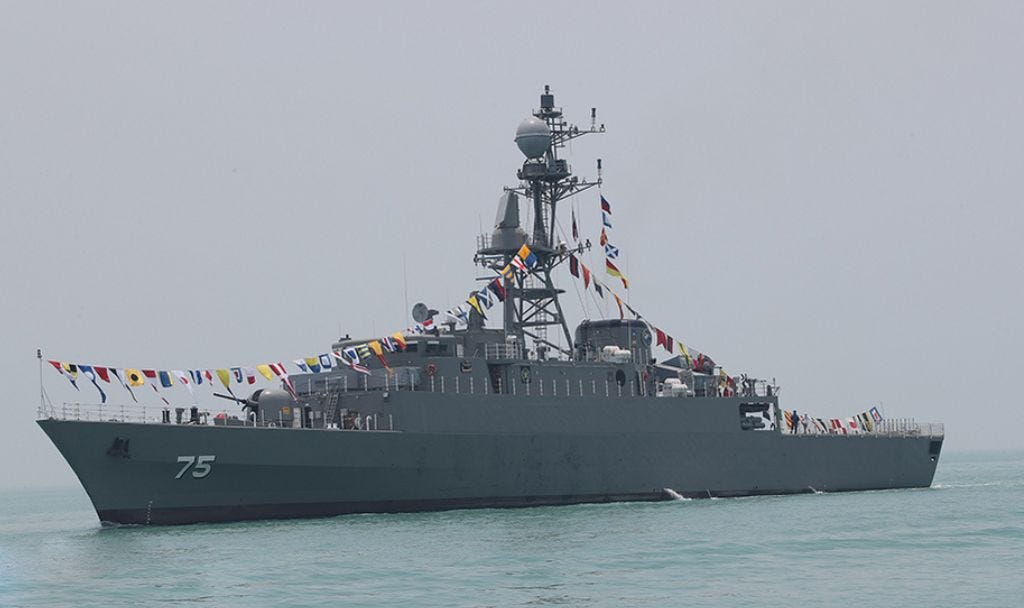

News that a United States submarine had torpedoed and sunk the Iranian warship IRIS Dena about 40 nautical miles off Sri Lanka this week took many observers by surprise. An attack like this so far from the Persian Gulf – and in a key trade route connecting China to the Middle East – suggests the arena of this war may be widening.
But the incident also highlights something rarely well understood outside military and legal circles: the law of naval warfare. Many have wondered: was this attack lawful? And who was under an obligation to rescue survivors?
When does the law of naval warfare apply?
The law of naval warfare is a subset of the law of armed conflict. It sets out permissions and protections for combatants, civilians and neutral actors engaged in conflict at sea.
Importantly, it applies regardless of whether the resort to force was lawful. In other words, you’re supposed to follow the law of the sea even if your whole justification for war in the first place isn’t legal under international law.