

By Sanjay Dubey
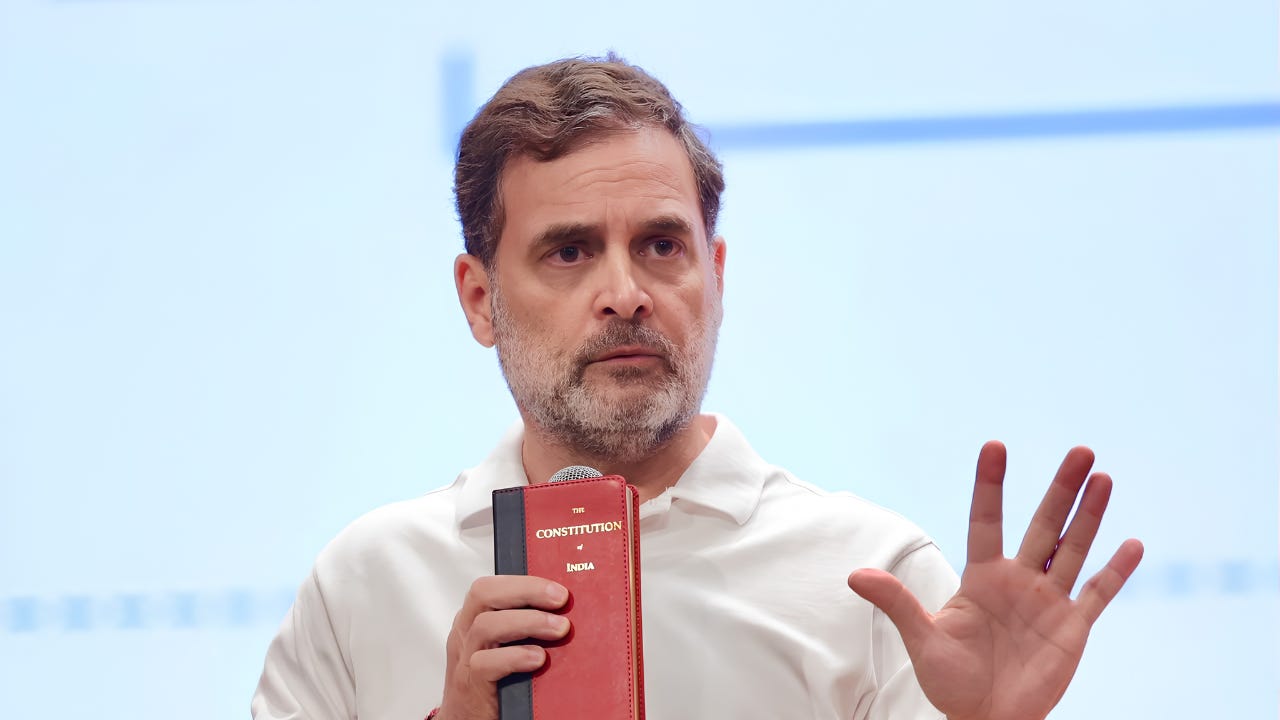
During a recent press conference, India Today journalist Mausami Singh put a direct question to Rahul Gandhi: “Sir, will there be a point that you will boycott the elections? Will it come to that?”
Gandhi did not pause to ponder scenarios or hedge his bets. He shut the question down immediately: “Main us distraction mein nahi jaunga (I will not get into that distraction.)… I will avoid the distraction. But thank you.”
But there are many others who do not find this question to be a distraction. Abhijeet Dipke, the strategist behind the youth-centric Cockroach Janta Party (CJP), issued an impassioned plea on social media urging the entire opposition to walk away from the ballot box. His argument was direct: by participating in elections they allege are rigged, opposition parties merely legitimise the process and maintain the illusion of a functioning democracy. Contesting for survival, Dipke argued, is self-delusion when parties are routinely split, lawmakers poached, and votes manipulated. Comparing the system to a fixed cricket match where a few catches are deliberately taken to make the contest look real, he argued that occasional opposition wins are just “crumbs” meant to keep them trapped in the game.
The sentiment resonates with many citizens exhausted by controversies over the independence of the Election Commission, opaque voter roll deletions, and skewed institutional playing fields. Yet, Gandhi’s curt refusal to entertain the idea and Trinamool Congress leader Derek O’Brien’s sharp public rebuttal of Dipke’s plea reveal a profound gulf. It is the divide between the moral absolutism of a young activist and the cold, unyielding mechanics of electoral politics.
The fundamental flaw in the boycott argument lies in a basic misunderstanding of Indian electoral law: the constitutional machinery does not pause for non-participants.
In corporate boardrooms or international organisations, a vote often requires a quorum to be legally valid. If half the members walk out, business halts. But Indian parliamentary democracy makes no distinction between voter turnout of 80% and 8%…
Subscribe to get updates, bookmark, or comment.