

By Sanjay Dubey
1. Made for everyone, not just trained voices
Unlike many national anthems, Jana Gana Mana stays within a comfortable vocal range and moves mostly step by step. Set in a simple and calm scale (Raga Alhaiya Bilawal), its melody is very easy to sing for trained singers and ordinary crowds alike.
The US national anthem, The Star-Spangled Banner, sits at the other extreme. It is notoriously difficult to sing—even for professional singers—which is why it is often performed, lip-synced, or played instrumentally. Vande Mataram, too, is musically more demanding and suits trained voices better than mixed crowds.
Globally, Jana Gan Man ranks among the easier national anthems to sing, alongside Japan’s Kimigayo, Canada’s O Canada, Israel’s Hatikvah and Denmark’s Der er et yndigt land. It is far more accessible than many other anthems such as The Star-Spangled Banner, France’s La Marseillaise, or Italy’s Il Canto degli Italiani or even UK’s God Save the King.
2. A collective song, not a solo performance
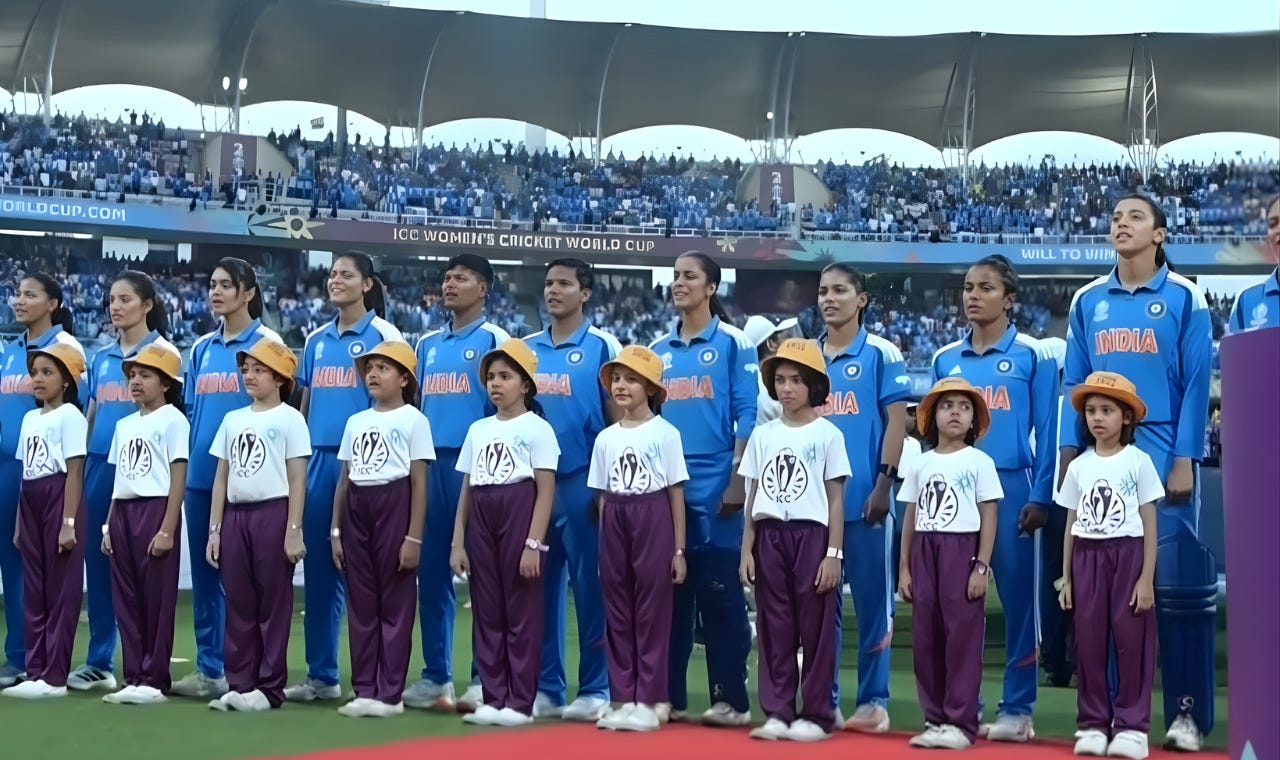
Many of us who have regularly sung Jana Gana Mana in our schools can easily recall that it is meant for collective participation, not individual performances. It sounds dignified even when sung imperfectly by large groups and discourages vocal artistry or unnecessary personal touches to the poem. This quality makes Jana Gana Mana suitable for schools, stadiums, state ceremonies, and international events.
Many national anthems are more suited as performance pieces, where soloists try to own the song rather than guide collective singing. Such songs find a limited role in the everyday singing of normal citizens.