

By Sanjay Dubey
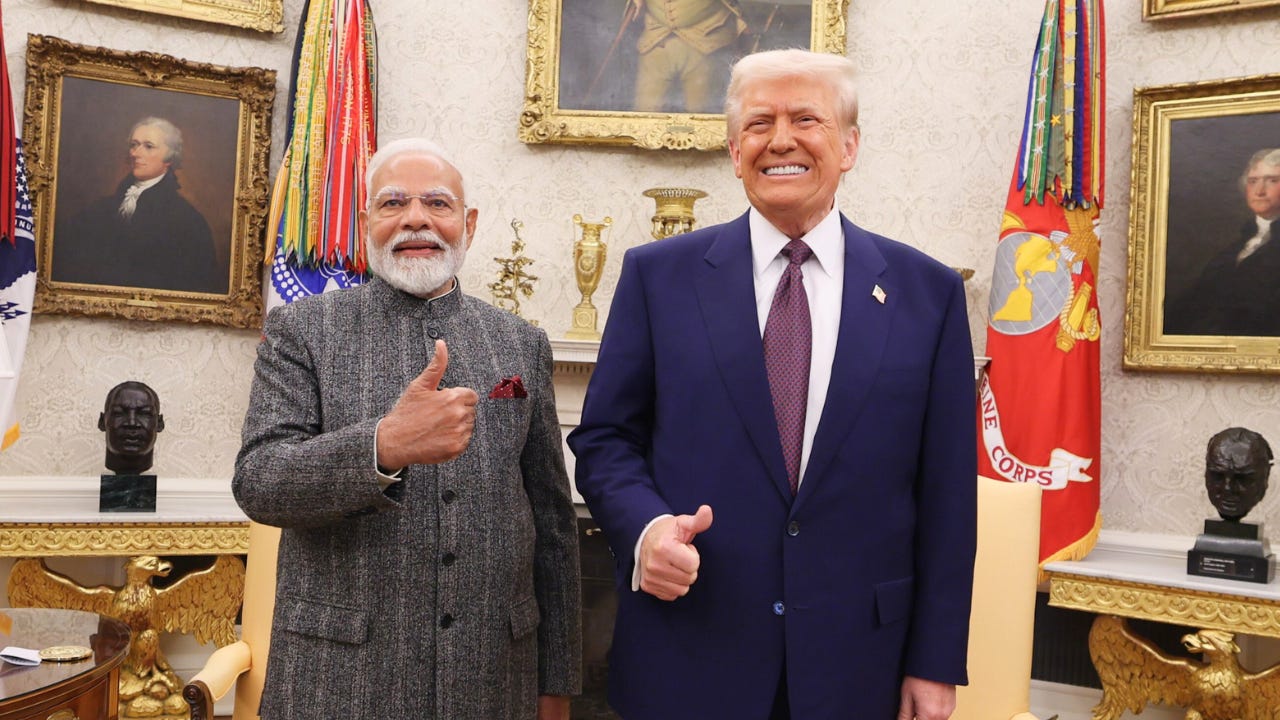
In a landmark decision that has sent shockwaves from the White House to New Delhi, the United States Supreme Court ruled on February 20, 2026, that President Donald Trump lacked the legal authority to unilaterally impose sweeping global tariffs under the International Emergency Economic Powers Act (IEEPA). For India, which had been pushed to the brink of a trade war with effective tariffs as high as 50%, the ruling is more than a legal victory—it is a validation of New Delhi’s strategic patience.
As other nations like Japan, Vietnam, the UK, and the EU rushed to sign trade deals under the shadow of “Liberation Day” threats, India stood its ground. Now, with the legal floor of Trump’s trade policy falling through, the “almost ready” India-US trade deal is in a state of flux. The question for New Delhi is no longer how to mitigate a 50% tariff, but why it should settle for 18% when the legal basis for those threats has been declared invalid.
The 50 percent pressure cooker
The trade friction began on what President Trump dubbed “Liberation Day”—April 2, 2025—when he announced a 26% “reciprocal tariff” on Indian imports, later adjusted to 25%, citing a national emergency over trade deficits. By August 2025, the pressure intensified. Citing India’s continued imports of Russian oil, the administration slapped an additional 25% “punitive duty” on Indian goods, bringing the effective tariff to a staggering 50%.
This “double-whammy” forced India into a corner. For months, Indian negotiators faced a binary choice: accept a permanent, albeit lower, tariff regime or watch their export competitiveness evaporate. Under this duress, a breakthrough was announced on February 2, 2026. According to U.S. officials, in exchange for India committing to stop Russian oil imports and purchasing $500 billion in U.S. energy, technology, and defense products, the U.S. agreed to roll back tariffs from 50% to an “interim” rate of 18%.