

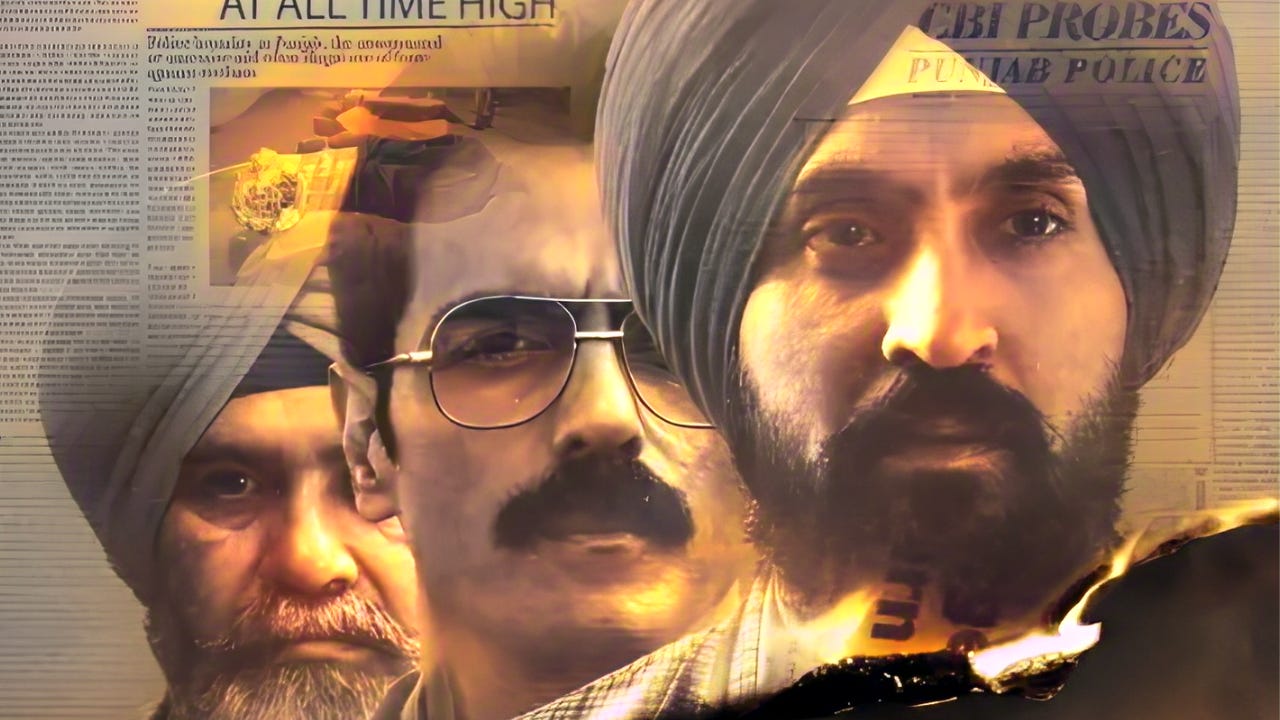
When a film shines a light on the darkest chapters of a nation’s history, governments usually react in one of two ways: they either suppress it out of fear it might disturb public calm or their political interests, or they keep their calm and trust their citizens to confront reality.
The swift digital takedown of Satluj—released on ZEE5 and removed within 48 hours—shows a clear preference for containment. Yet global experience shows mature democracies consistently choose open dialogue over censorship. By treating audiences as adults, they have found that facing uncomfortable truths builds greater public trust than sudden bans ever could.
Satluj, directed by Honey Trehan, portrays the life of human rights activist Jaswant Singh Khalra, who documented alleged police excesses and disappearances in 1990s Punjab before his own abduction and murder in 1995—events backed by court records and investigations. The film faced over three years of CBFC hurdles, including demands for more than 100 cuts. Here is how five other nations responded to similarly critical films:
1. South Korea: A Taxi Driver (2017)
This film depicts the Gwangju Uprising of 1980, when the military dictatorship imposed a strict media blackout and killed hundreds of civilians and student protesters.
Instead of blocking A Taxi Driver out of fear that it would damage the military’s reputation, the government embraced the film. President Moon Jae-in publicly attended a high-profile screening alongside its creators.
The film became a massive box-office hit, represented South Korea at the Oscars, and helped spark a fresh, independent official investigation into the historic massacre and its subsequent cover-up…